
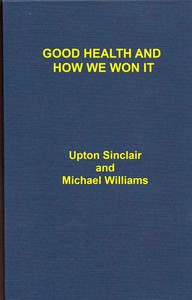
Good Health and How We Won It, With an Account of the New Hygiene by Upton Sinclair et al.
Let's set the scene. It's the early 1900s. Factories belch smoke, cities are crowded, and the idea of 'wellness' is pretty much just 'don't die of cholera.' Into this world steps a group of writers and thinkers, led by the famous muckraker Upton Sinclair, with a bold claim: we can win the fight for good health, but we have to change everything.
The Story
This isn't a novel with a plot, but it has a clear mission. The book acts as a manifesto for the 'New Hygiene.' It argues that illness isn't just bad luck or individual weakness—it's often the direct result of a toxic environment. The authors point fingers at long work hours in unsafe conditions, polluted air and water, stressful city life, and poor nutrition (often because good food was too expensive). They connect the dots between poverty, injustice, and sickness in a way that was revolutionary for its time. The 'story' is their passionate case for a complete overhaul, from how we work and live to what we eat and breathe.
Why You Should Read It
Reading this today is a fascinating experience. Some of their specific advice feels dated, but their core argument is incredibly modern. When they talk about the health dangers of stress, poor air quality, and processed foods, it sounds like a headline from this week. It’s a powerful reminder that the conversation about public health, corporate responsibility, and social equity is over a century old. You get a real sense of the frustration and hope of that era. They truly believed that by exposing these problems and applying new scientific knowledge, a healthier world was possible.
Final Verdict
This book is perfect for anyone interested in the history of public health, social justice, or just curious about how people thought a hundred years ago. It's for readers who enjoy primary sources that let you hear the voices of the past directly. If you liked the exposé style of 'The Jungle,' you'll appreciate seeing Sinclair apply that same energy to broader living conditions. It’s not a light read, but it’s a short and impactful one that will definitely give you a new perspective on our own modern health debates.
You are viewing a work that belongs to the global public domain. Preserving history for future generations.
Ethan Garcia
3 months agoGood quality content.
Margaret Perez
6 months agoFinally found time to read this!